
Living in Boston: Pros and Cons (2026) — The Real-Life Version
Boston is an elite city.
It’s also a city that punishes you if you move here for the idea of Boston… and then underestimate the daily hassle.
This is the straight answer: what people love, what quietly drains them, and how to tell which camp you’ll be in before you sign a lease or buy a place.
Updated: January 8, 2026
Table of Contents
Boston Reality Check (so your expectations aren’t fantasy)
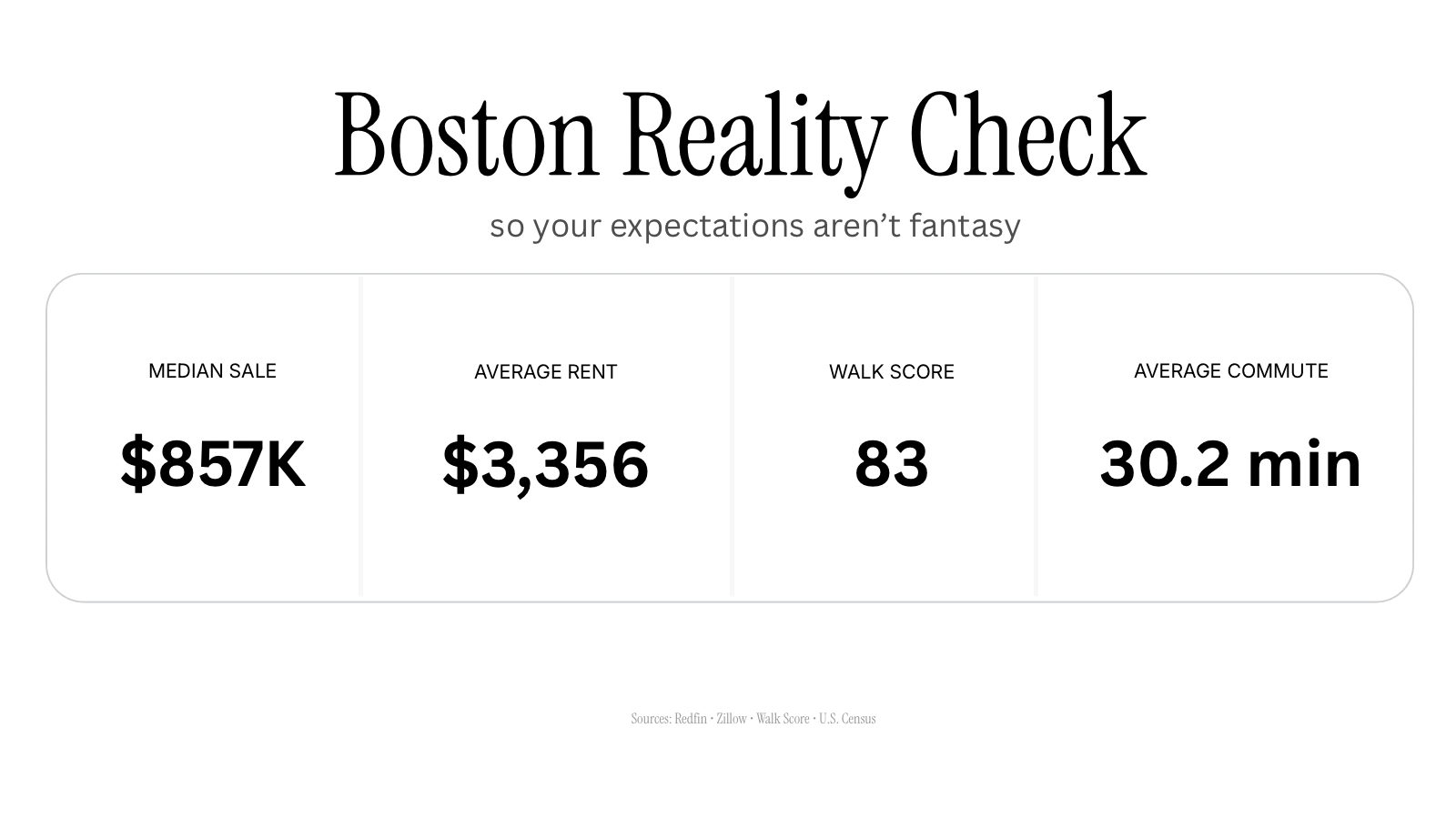
- The median sale price in Boston was about $854K last month (Redfin). Redfin
- Boston is legitimately walkable. Boston’s average Walk Score is ~83 (Walk Score). Walk Score
- The mean commute time for Boston workers is about 30.2 minutes (U.S. Census QuickFacts, 2019–2023). Census.gov
- Rent is expensive in plain English. Zillow’s Boston market trends show average rent around $3,354 recently. Zillow
None of this means “don’t move.” It means: don’t guess.
Want a shortlist instead of guessing? Take my Boston + MetroWest Town Match Quiz
The real pros of living in Boston
1) Walkability changes how you live
Boston isn’t “kind of walkable.” It’s one of the most walkable large cities in the U.S., with an average Walk Score around 83. Walk Score
That means your day can be built around walking, not driving:
coffee, parks, errands, gym, dinner, friends.
For a lot of people, that’s the whole point.

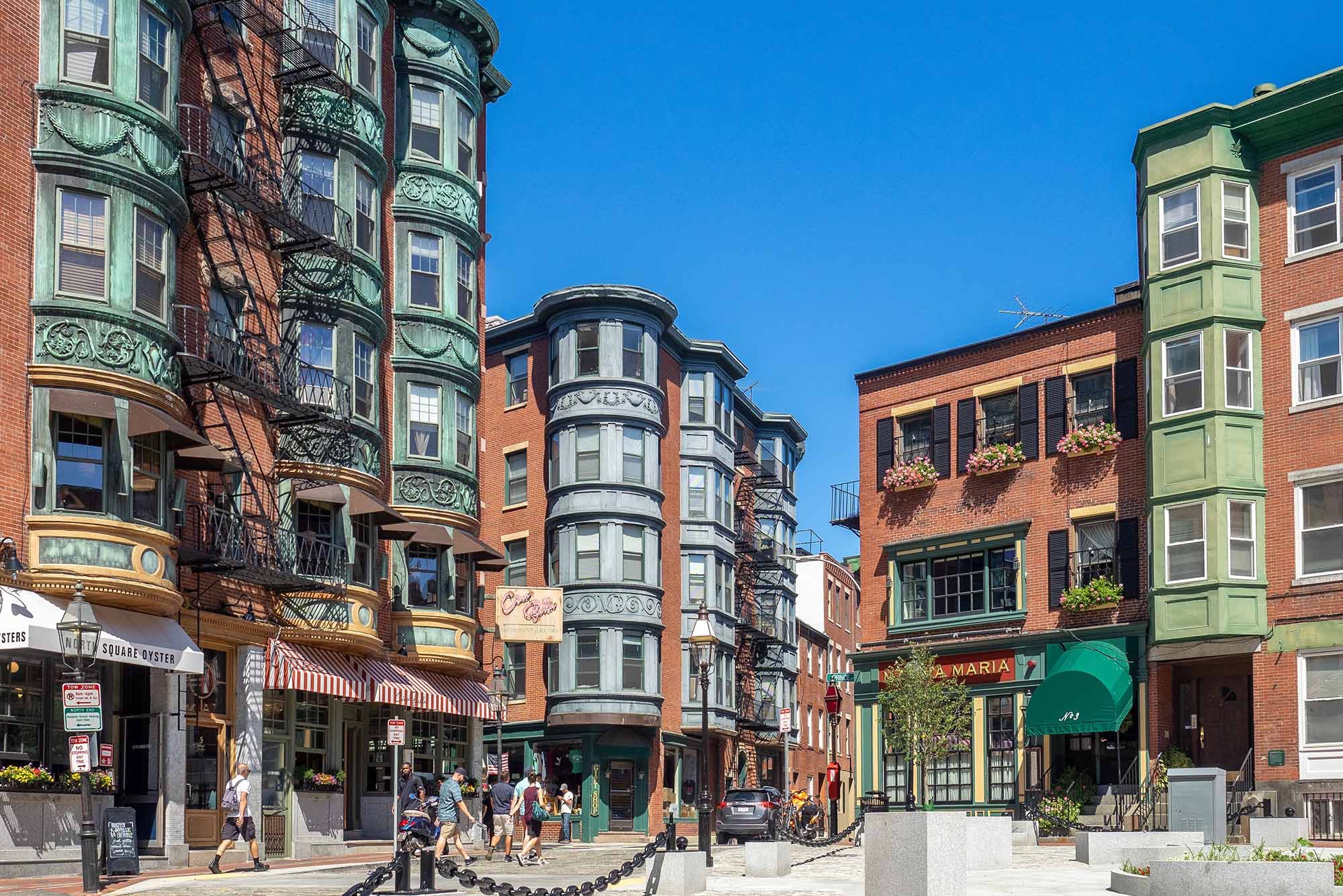
2) Density of options (you feel it every week)
Restaurants, museums, sports, universities, hospitals, events, Boston has a concentration effect.
Even if you’re not going out constantly, you still benefit from living close to everything.
3) Career gravity + flexibility
Boston’s job ecosystem is real. Even with hybrid work, proximity can buy you:
- better networking
- easier pivots
- less “I live far so I can’t” energy

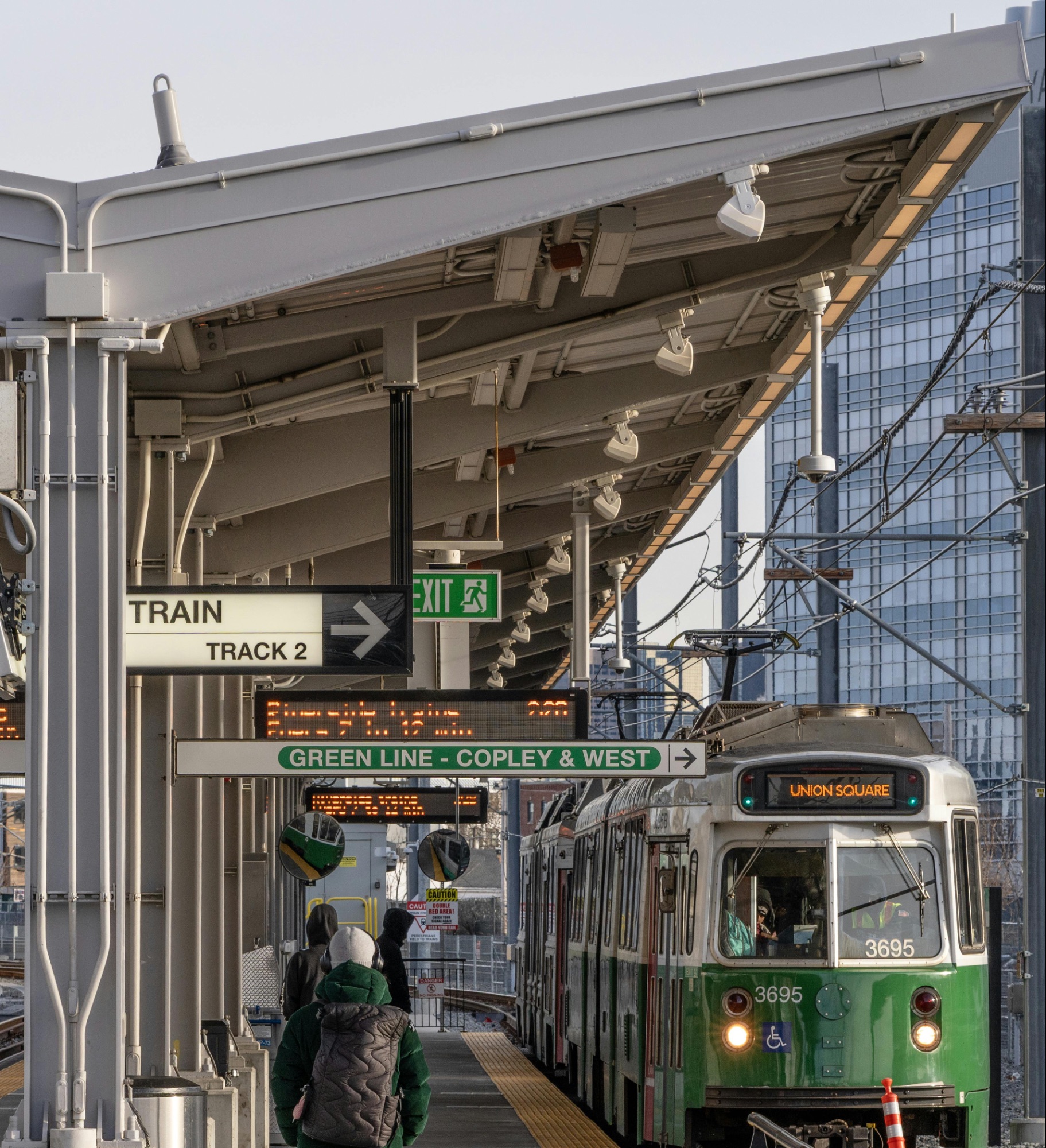
4) You can live car-light (or car-free) if you choose right
This is underrated.
If you pick the right area and your lifestyle supports it, being less dependent on a car can cut stress and simplify your week.
The real cons of living in Boston
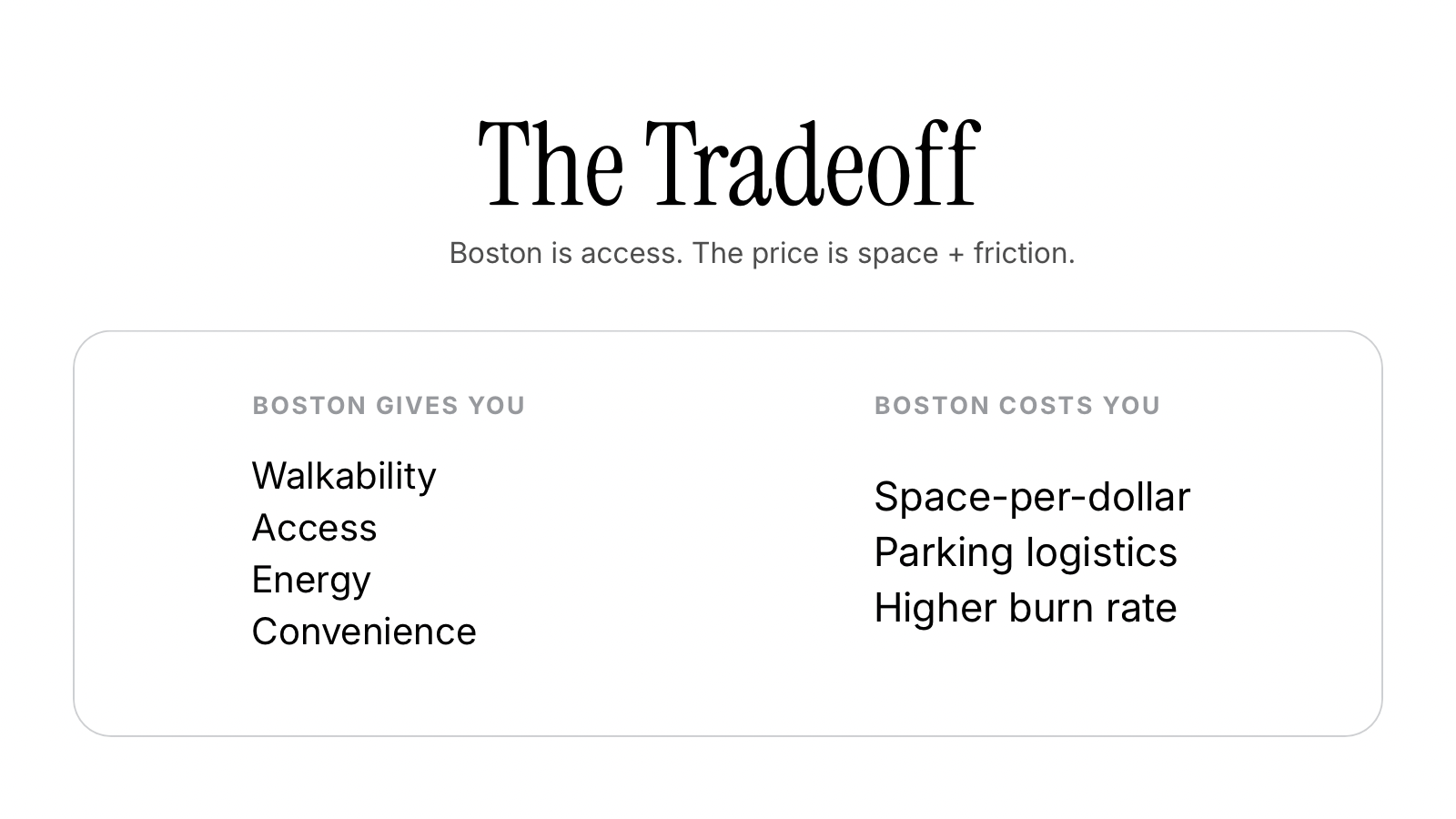
1) Space-per-dollar is the brutal trade
Boston’s core deal is simple:
You pay more… and usually get less space… in exchange for lifestyle + access.
If you’re okay with that trade, you’ll love Boston.
If you’re not, it becomes a constant “why is this so hard?” feeling.
2) Your monthly burn rate is higher than you expect
It’s not just rent or mortgage.
It’s the whole system: parking, food, convenience spending, childcare, lifestyle costs.
A decent baseline reality check is the MIT Living Wage Calculator (county-based estimates by household type). Living Wage Calculator+2Living Wage Calculator+2

3) Rent pressure is real (even for high earners)
Zillow’s Boston rental trend data shows average rent in the low-to-mid $3K+ range recently. Zillow+1
If you’re renting first, this matters because it affects how quickly you can save, and how long you can “wait and see.”
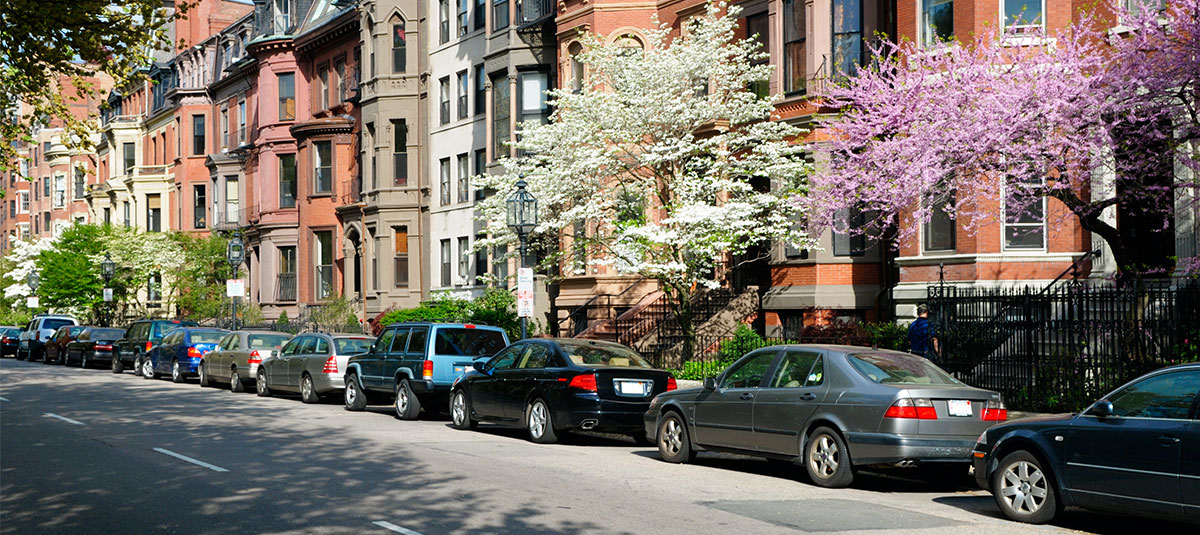
4) Parking + errands = daily hassle
If you’re a “two cars + groceries + kids stuff + sports practice” household, Boston can feel like constant micro-stress.
Some people shrug it off. Some people hate it within 90 days.
5) Commute stress isn’t just the number
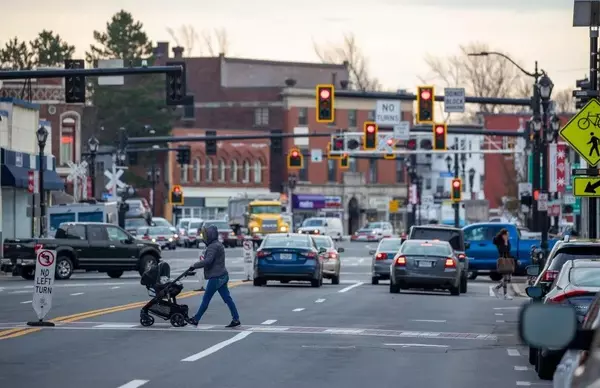
The average commute time is about 30.2 minutes for Boston workers. Census.gov
But Boston commuting is about daily hassle layered on top of the minutes:
weather, congestion, parking, delays, and the “one thing went wrong and now the whole day is off” factor.

Who Boston is best for (and who it annoys)
Boston tends to be a strong fit if you:
- want walkability and use the city often
- value experiences over square footage
- can tolerate density, noise, and city logistics
- don’t mind paying for convenience
Boston tends to be a weak fit if you:
- need space to breathe (home office, kids, hobbies, pets)
- want easy parking and easy errands
- get drained by noise/density
- need a predictable routine with less daily hassle

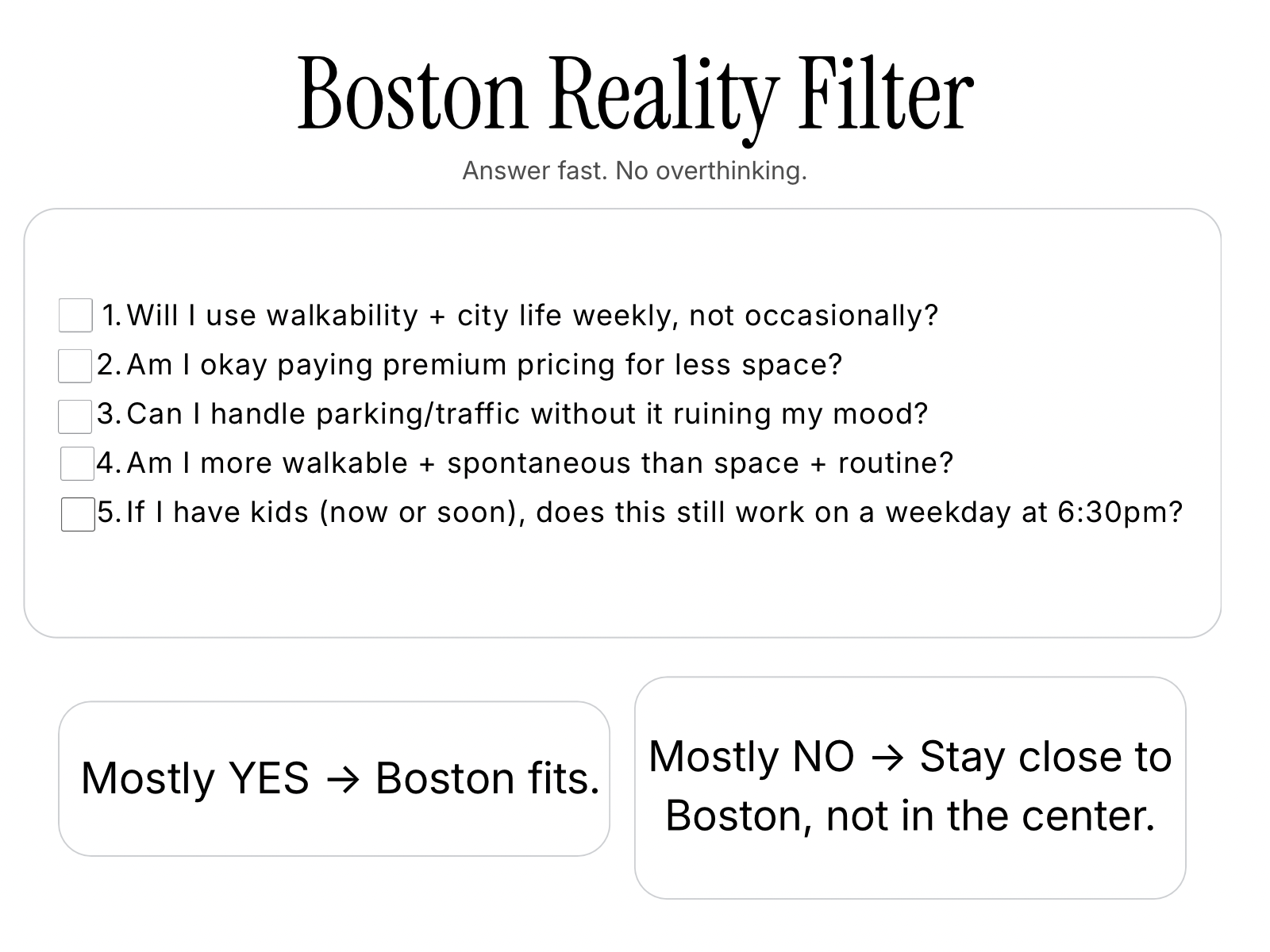
A simple self-test: “Will Boston feel worth it to me?”
Answer fast, no overthinking:
- Am I going to use walkability and city life weekly, not “sometimes”?
- Am I okay paying premium pricing for less space?
- Can I tolerate parking/traffic without it ruining my mood?
- Is my lifestyle more “walkable + spontaneous” or “space + routine”?
- If I have kids (now or soon), does this still work on a Tuesday at 6:30pm?
If you’re mostly “yes,” Boston is probably a great move.
If you’re mostly “no,” you don’t need to force it, there are ways to stay connected to Boston without living in the center.
If you want more space and an easier routine (but still Boston access), read: Pros and cons of living in MetroWest Boston.
Boston vs Cambridge vs Somerville vs Brookline (quick fit guide)
If you’re deciding between Boston vs Cambridge vs Somerville vs Brookline, don’t start with Zillow. Start with fit.
Boston
- Who it’s for: You want “city access” daily (walkability, events, energy) and you’ll actually use it.
- What people hate: Space-per-dollar + parking + errands turning into chores.
- Commute vibe: Best if your life is mostly inside the city. The farther out your routine is, the more you feel the friction.
- Rent/home tradeoff: More condos + smaller layouts for the money. You’re paying for location.
Cambridge
- Who it’s for: You want Boston access, but you like a smarter/quieter vibe (still walkable, still dense).
- What people hate: Expensive, competitive, and the “good spots” disappear fast.
- Commute vibe: Great for Kendall/Harvard/Boston core. Bike + Red Line lifestyle is common.
- Rent/home tradeoff: Premium pricing. Many people rent longer here because buying is a jump.
Somerville
- Who it’s for: You want city-adjacent walkability + restaurants + a younger, lively feel (without “downtown Boston” energy).
- What people hate: Tight parking, smaller homes, and some blocks feel busy/noisy.
- Commute vibe: Solid for Cambridge + downtown via the Green/Orange connections (depending where you land).
- Rent/home tradeoff: Often better “value” than Cambridge, still not cheap. Homes can be small but charming.
Brookline
- Who it’s for: You want calm, polished, and very walkable, and you’re fine paying for it.
- What people hate: Price, and a vibe that can feel “buttoned up” if you want edge/late nights.
- Commute vibe: Easy into Boston via Green Line + short rides. Feels like “city life with guardrails.”
- Rent/home tradeoff: Buying is expensive. Many people rent for location + school access without committing.
Best Boston neighborhoods by lifestyle (not a full guide)
This isn’t a ranking. It’s a shortcut: pick your lifestyle first, then shop neighborhoods.
Car-free easiest (walk + transit built-in)
- Back Bay: classic Boston, walk-everywhere convenience.
- South End: restaurants + brownstones + walkability.
- Beacon Hill: charming, compact, expensive, very central.
- North End: max walkability, tight space, tourist traffic.
Family + parks (more breathing room)
- Jamaica Plain (JP): green space + neighborhood feel (and still connected).
- Charlestown: more residential pockets, strong community vibe.
- West Roxbury: quieter, more space, more “suburban inside the city.”
Quieter but still “Boston”
- Brighton: more space/value than core neighborhoods, still connected.
- Roslindale: neighborhood energy + less chaos, good for routines.
- Dorchester (Lower Mills / Adams Village area): more residential feel, still Boston, varies block-by-block.
Reality check: Boston is block-specific. Visit at 8am and 9pm. Run your commute at the time you’ll actually do it.
Want Boston access without Boston headaches? Try these MetroWest options
If you want the Boston job market + weekends in the city, but you’re done with tiny space and daily friction, MetroWest can be the sweet spot.
- Newton: closest “upgrade” from city life, pricey, but convenient.
- Waltham: strong value + food scene + access (a lot of buyers start here).
- Needham: family-friendly + strong commuter access.
- Wellesley: premium schools + commuter convenience (also premium pricing).
- Natick: commuter rail + solid town center + easier daily life.
- Framingham: more inventory/value + commuter rail + practical living.
If you want, I’ll give you a tight shortlist based on budget + commute + lifestyle:
Take the Boston & MetroWest Town Match Quiz
Or read my full breakdown: Pros and cons of living in MetroWest Boston
What most relocation buyers get wrong
They optimize for the wrong thing first.
They start with listings, then try to force life to fit the location.
The smarter order is:
- commute reality (to where, and how often)
- lifestyle reality (what you need daily)
- budget reality (housing + the full monthly burn rate)
Want the full step-by-step? Read my Moving to Boston & MetroWest (2026) relocation guide here
If you do that, Boston can be amazing.
If you don’t, Boston becomes expensive stress.
Boston Reality Filter
Optional help (if you want a shortlist instead of guessing)
If you want a fast way to narrow down what fits your budget + commute + lifestyle, take my Boston & MetroWest Town Match Quiz here.
If you prefer to just message me what you’re trying to do, use my contact page.
(No pressure. I’ll tell you the truth, even if it’s not what you expected.)
FAQ
Is living in Boston worth it?
It’s worth it if you’ll use the lifestyle advantage (walkability, access, density) enough to justify the price and the daily hassle.
What’s the biggest downside to living in Boston?
For most people: space-per-dollar, plus daily hassle (parking, errands, routine complexity).
What’s Boston’s housing market like right now?
Recent data shows Boston’s median sale price around $854K last month (Redfin).
What’s the average rent in Boston?
Recent Zillow rental market trends show an average rent around the mid-$3K range.
What’s the average commute time in Boston?
The mean travel time to work for Boston workers is about 30.2 minutes (2019–2023).
Is Boston walkable?
Yes. Boston is genuinely walkable, not “kinda.” Walk Score lists Boston’s average Walk Score as 83 (which puts it in “very walkable” territory).
Reality: if you live in the right neighborhood, a lot of daily life can be walking-based (coffee, groceries, parks, dinner, errands). If you live farther out or your routine is spread across the region, it becomes “walkable sometimes,” not daily.
Is it possible to live in Boston without a car?
Yes, it’s possible to live car-free or car-light, especially if you choose a neighborhood with strong transit access and you’re okay building your routine around walking + transit + occasional rideshare. The City of Boston explicitly points to multiple ways to get around without relying on a personal car (walking, transit, biking, car share).
Also, Walk Score notes Boston has excellent public transportation overall.
But: car-free gets harder fast if you’re doing regular kid logistics, frequent out-of-city trips, or you need predictable timing late at night / early mornings. That’s where “car-light” (no daily driving, occasional car share/rental) tends to be the sweet spot for a lot of people.
About the author
I help relocation buyers and local homeowners make smart moves across Boston + MetroWest (Framingham, Natick, Waltham, Newton, Needham, Wellesley and nearby). If you want a clear plan—neighborhood fit, commute reality, and numbers that actually work—reach out.
Call/Text: (857) 251-3484 • Email: rannestate@gmail.com
Categories
Recent Posts




Want a clear next step?
SELLING? Get a home value range here
BUYING? Click here for Town Match Quiz
Or send me a message and I’ll get back to you.