
Who Boston Is (and Isn’t) a Fit For
• Prefer access and experiences over extra square footage
• Can handle density, noise, and city logistics without resentment
• Want to be close to hospitals, universities, events, and networking
• Like spontaneity (plans are easier when everything is nearby)
• Want easy parking, easy errands, and low-friction routines
• Get stressed by traffic, street sweeping, delays, and “small hassles”
• Want predictable quiet most nights
• Hate paying premium pricing for less space
Vibe > Zip Code
Walkable + Central Boston neighborhoods
Rent First or Buy in Boston? How Most Relocation Buyers Decide
One of the biggest decisions when moving to Boston is whether to rent first or buy right away. There’s no universal answer, most relocation buyers decide based on timeline, lifestyle fit, and tolerance for Boston’s trade-offs, not just math.
When renting first in Boston makes sense
Renting first is often the smarter move if you’re new to Boston and still learning:
• which neighborhoods actually fit your daily routine
• how often you’ll commute and by which route
• whether you’ll use the city lifestyle enough to justify the cost
Many people underestimate how much neighborhood fit, noise, parking, and logistics affect daily life. Renting for 6–12 months lets you test that reality before making a long-term commitment.
When buying early in Boston can work
Why many people rent in Boston but buy outside the city
The real decision: math vs lifestyle

Commute Reality in Boston: MBTA, Driving, and Hybrid Work
Hybrid Work Changes the Math
Commuting 2–3 days/week is easier to tolerate than daily. Frequency matters more than the average commute time.
Predictability Beats Minutes
A consistent 35-minute commute often feels better than a commute that swings from 25 to 55. Predictability protects your routine.
Cost of Living in Boston (Beyond Rent or Mortgage)
Boston’s cost of living is high, but the surprise isn’t only rent or a mortgage. The real budget shock is the monthly burn rate—parking, transportation, convenience spending, and childcare—which often makes Boston feel more expensive than the spreadsheet suggests.
The Monthly Burn Rate
Parking, transit, eating out, and convenience spending add up quickly. These recurring monthly expenses are what usually stretch budgets over time.
Why Boston Feels So Expensive
Limited space plus higher convenience costs make small purchases compound. Even if the numbers “work,” day-to-day spending often feels heavier here.
Moving Logistics Most People Miss When Moving to Boston
Moving to Boston isn’t just about finding the right apartment or neighborhood. City logistics matter more here than most people expect, and missing them can turn move-in day into a headache.
• Moving permits and reserved parking: Many Boston streets require a temporary permit to reserve space for a moving truck. Skipping this can mean tickets, towing, or delayed unloading.
• Street rules and parking enforcement: Street cleaning schedules, residential permits, and neighborhood-specific rules vary block by block and are enforced aggressively.
• Winter timing and weather constraints: Snow emergencies, narrow streets, and limited curb space can complicate winter moves more than people anticipate.
• Building move-in rules: Condos and managed buildings often require advance notice, insurance certificates, elevator reservations, or specific move-in windows.
• Truck access and clearance issues: Older streets, low clearances, and tight turns can affect truck size and routing, especially in denser neighborhoods.
These details don’t usually show up in listings, but they make a real difference in how smooth (or stressful) your move actually is.
When MetroWest Is the Better Fit
(Without Losing Boston Access)
• Walkability and density matter more than space
• Shorter distances to work, events, and culture
• Willing to trade square footage for access
• Comfortable with parking, noise, and city logistics
• More space and flexibility for home offices, kids, and routines
• Easier parking, errands, and daily logistics
• Commutes that are often more predictable (even if longer)
• Lower monthly burn rate for similar or better quality of life

A Smarter Way to Choose Without Guessing
Most relocation mistakes happen because people start in the wrong place.
They browse listings first, fall in love with an address, and then try to force their lifestyle, commute, and budget to fit the location. In Boston, that approach gets expensive fast.
A smarter way to decide is to work in this order:
• Commute reality: where you need to be, how often, and how predictable it actually is
• Lifestyle reality: what your weekdays look like, not just weekends
• Budget reality: housing plus the full monthly burn rate
When you anchor the decision around those three things, the “right” areas usually narrow themselves quickly, whether that ends up being Boston proper or nearby suburbs like MetroWest.
The goal isn’t to pick the most impressive location.
It’s to choose a place that still feels right on a random Tuesday at 6:30 pm.
Next Steps (Choose Your Path)

If you’re relocating or buying (and want a clear shortlist)
I can help you narrow down areas based on commute, lifestyle, and budget—so you’re not wasting weeks touring places that were never going to fit.
Take the Boston + MetroWest Town Match Quiz or message me what you’re trying to do, and I’ll point you in the right direction.
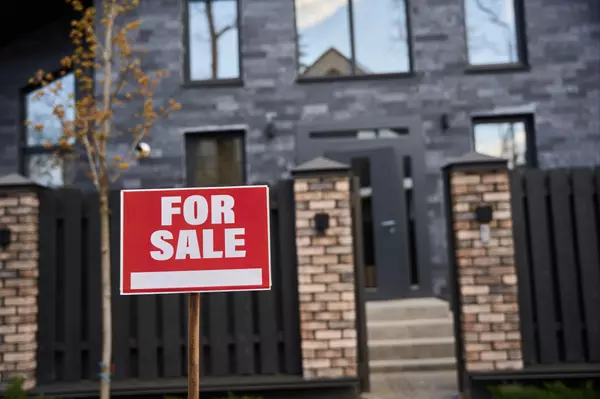
If you already own a home in Massachusetts and you’re planning a move
Start with the numbers. Get a realistic home value range based on recent local sales and current buyer demand, so you can plan your next step with clarity.
Moving to Boston FAQs
Is moving to Boston worth it?
Moving to Boston is worth it if you’ll regularly use the lifestyle advantages, walkability, access to work and culture, and proximity to major institutions. If you value space, predictability, and lower daily hassle more, nearby suburbs may be a better long-term fit.
What are the best neighborhoods in Boston to live in?
Should I rent or buy when relocating to Boston?
Is commuting in Boston hard without a car?
What is the cost of living in Boston really like?
Do I need a moving permit in Boston?
Should I live in Boston or the suburbs?