
Moving to Framingham MA: Pros, Cons + Best Areas (2026)
by Rannier Teixeira
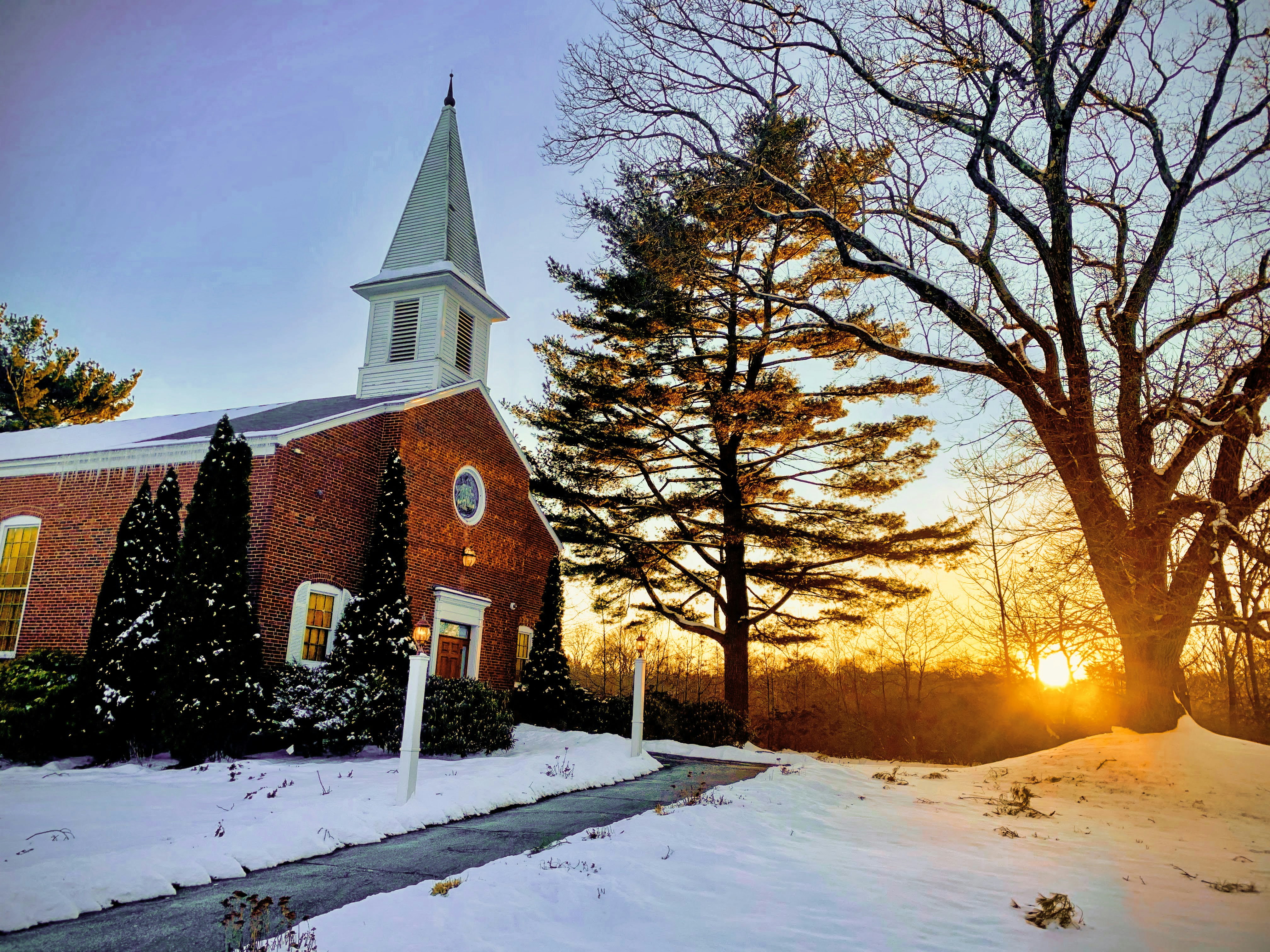
If you’re moving to Massachusetts and want Boston access without paying Boston prices, Framingham is on the shortlist for a reason.
But here’s the part most guides skip: Framingham isn’t one size fits all. The “right” area depends on your commute, your tolerance for traffic, and whether you want walkability or space.
Quick answer: Is Framingham a good place to live?
Yes, if you choose the right pocket for your lifestyle. Framingham is a big, convenient MetroWest hub with multiple “mini-areas,” solid daily amenities, and real commuter options into Boston.
If you want the fastest way to know if Framingham is your fit: take my Town Match Quiz and I’ll send you a tight shortlist based on commute + budget + must-haves.
Pros of living in Framingham
1) Boston access without living in Boston
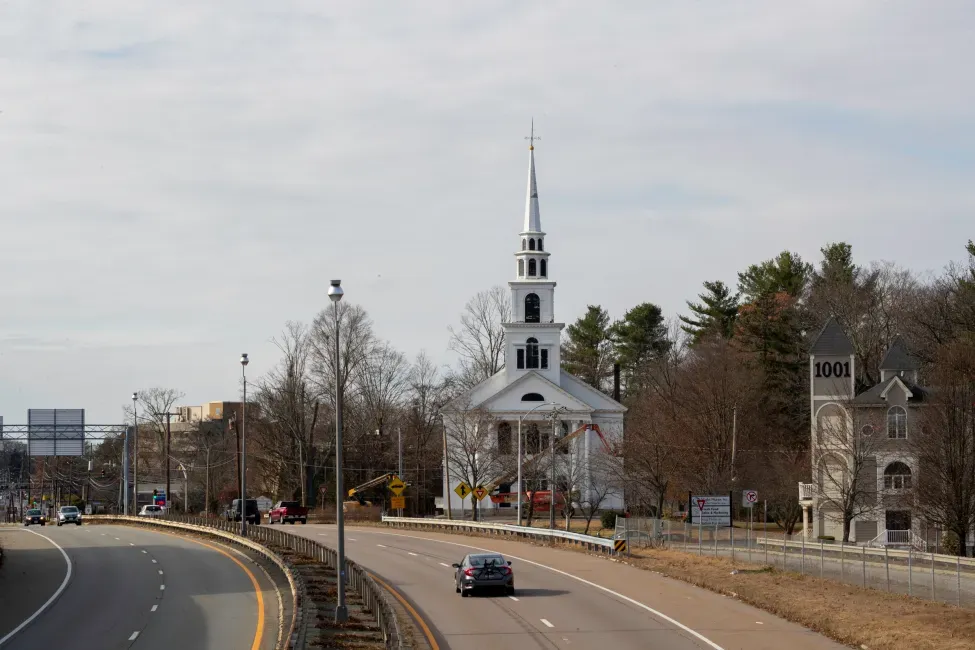
Framingham sits about 22 miles from Boston by road, which is close enough to commute, far enough to breathe (traffic still matters).
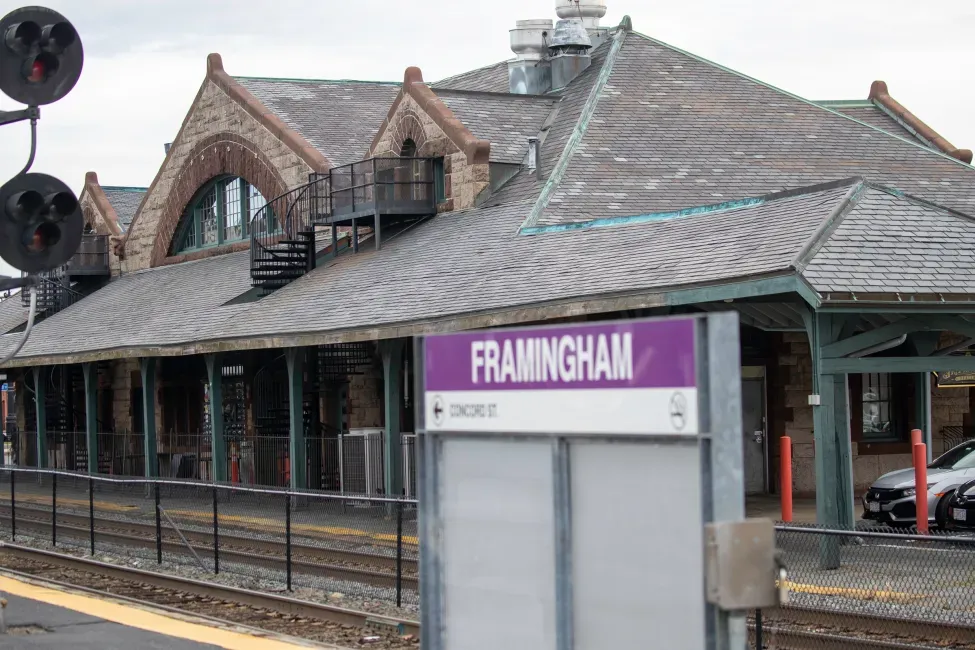
The MBTA Framingham/Worcester Line runs through Framingham and connects to downtown Boston stops like Back Bay and South Station.
2) Day-to-day convenience + easy access to major routes
Framingham is set up for real life: groceries, gyms, shopping, services, without driving 20 minutes for basics. And it’s positioned for commuters with quick access to Route 9, Route 30, the Mass Pike (I-90), and I-495, so you’re not boxed in when work or life pulls you in different directions.
3) Parks + trails (you’ll actually use)
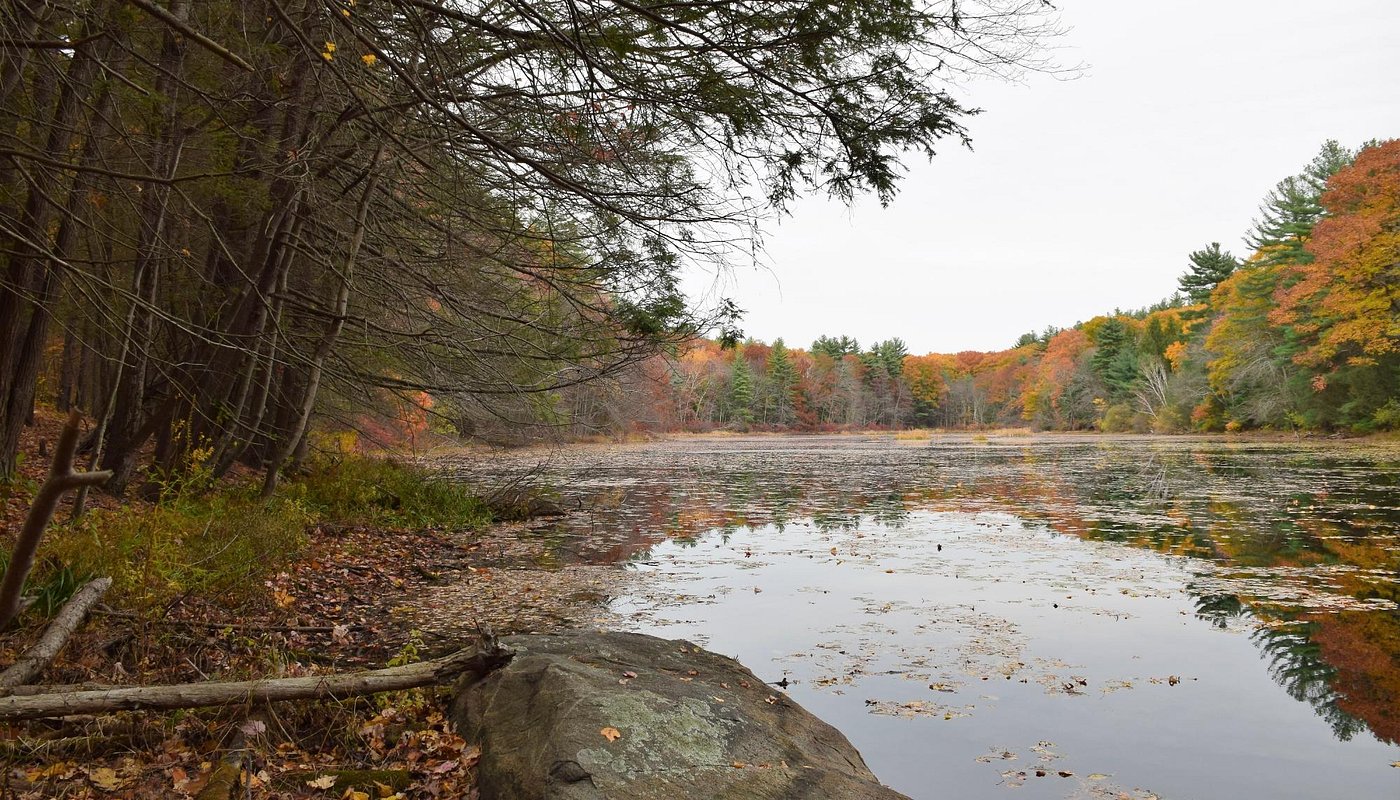
Framingham isn’t just “one park.” It’s a mix of quick weekday walks, longer trail systems, and a few legit destination spots.
Easy, do-anytime spots (weekday-friendly):
-
Farm Pond Park — fishing + boat access, walking trails, a fully accessible playground, and even bocce courts. It’s one of the most “usable” parks in town.
-
Cushing Memorial Park — large passive walking space with multiple entrances; good for laps, strollers, and an easy reset.
Nature trails (more “woods” than park):
-
Carol Getchell Nature Trail (Sudbury River) — a nearly mile-long trail along the Wild & Scenic Sudbury River. The city’s updates include an ADA-compliant boardwalk and improved access/viewing areas (parts may be closed during construction, with completion targeted for end of 2025 or shortly after).
-
Wittenborg Woods (83 acres) — Framingham’s largest conservation parcel, with multiple trails and connections into bigger trail networks.
-
Callahan State Park — bigger trail energy: open fields/ponds + 7 miles of marked trails.
If you want “pretty” and different:
-
Garden in the Woods (Native Plant Trust) — a 45-acre native plant garden that feels like a mini escape without leaving town.
Bike/walk connector (good for families too):
-
Cochituate Rail Trail — a 3.7-mile shared-use path connecting Natick Center to Saxonville (Framingham) and it’s built to be easy/level.
4) Community + food scene (what it feels like day-to-day)
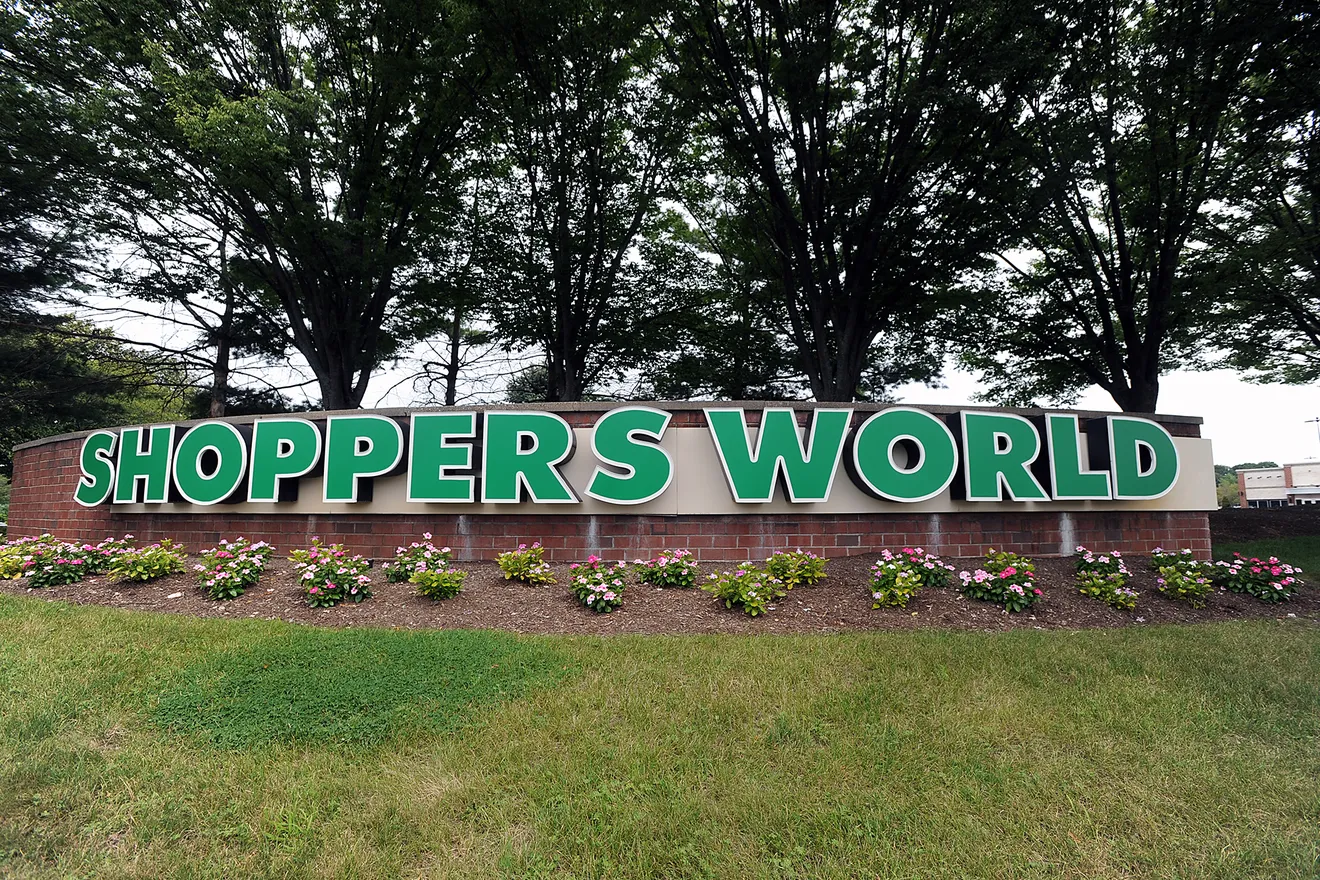
Framingham feels like a real MetroWest hub, not a bubble. You get international markets + big “grab-and-go” convenience in the same town, which makes day-to-day life easier than a lot of suburbs.
International + specialty markets (a real part of the local vibe):
-
Bazaar West (international grocery)
-
Seabra Foods (Portuguese/Brazilian/South American staples)
-
Dubom Supermarket (Brazilian market option)
Main grocery setup (the normal week run):
-
Whole Foods, Trader Joe’s, Stop & Shop — plus Market Basket in nearby Ashland when you want the value play.
Chain restaurants + quick meals (Route 9 convenience):
If you like having reliable “default options” close by, the Route 9/Shoppers World corridor covers it:
-
Olive Garden
-
Legal Sea Foods (Framingham Route 9)
-
Burtons Grill & Bar
-
Chipotle
-
CAVA
-
sweetgreen
Local standout (worth calling out):
-
Jack’s Abby Beer Hall , the “bring out-of-town friends here” spot.
If you tell me your commute + your “daily life” priorities (markets, gyms, trails, walkability, budget), I’ll point you to the best-fit pocket of Framingham, not just “Framingham in general.”
Cons (the stuff that actually affects your daily life)
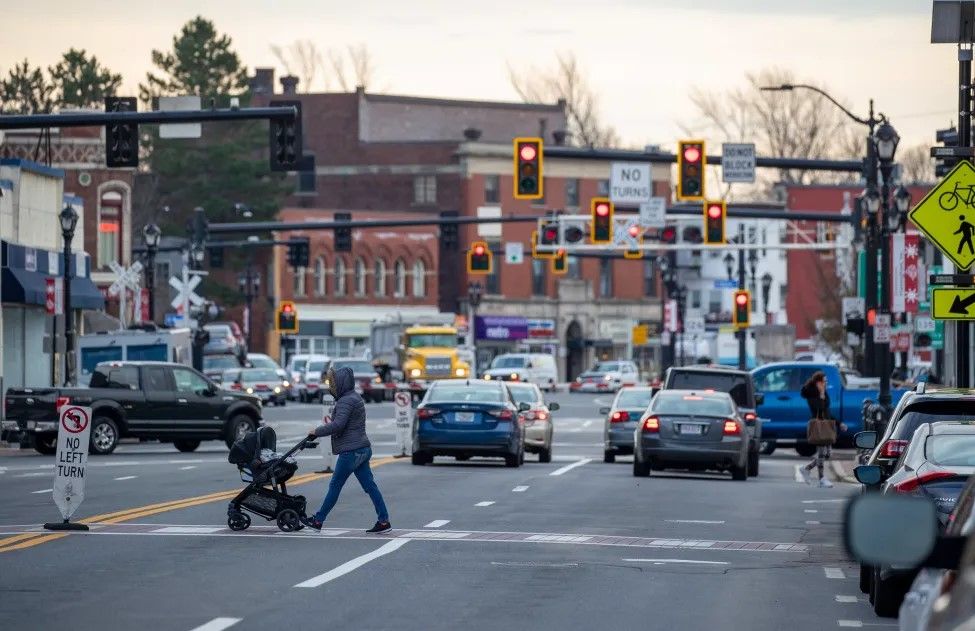
1) Traffic is not a rumor
Route 9 isn’t ‘busy sometimes.’ It’s a daily slowdown. The town also functions as a transportation hub, which creates bottlenecks, and downtown traffic can get extra messy because of train-track crossings.
What this means in real life:
-
If you commute during standard hours and pick the wrong pocket, you’ll pay for it in minutes every weekday.
-
Quick errands can turn into “why did I leave the house?” if your route forces Route 9 at the wrong time.
-
Some routes feel fine off-peak, then flip to brutal when school/work rush hits.
How to avoid the worst of it (no fluff):
-
Choose the home based on your commute direction, not the listing photos.
-
Try to live close to your main “repeat trips” (work route, gym, groceries, daycare/school).
-
If Boston is the target, living near commuter rail access can reduce how often you need to fight traffic (you can still drive when you want).
2) Most of Framingham is still car-first
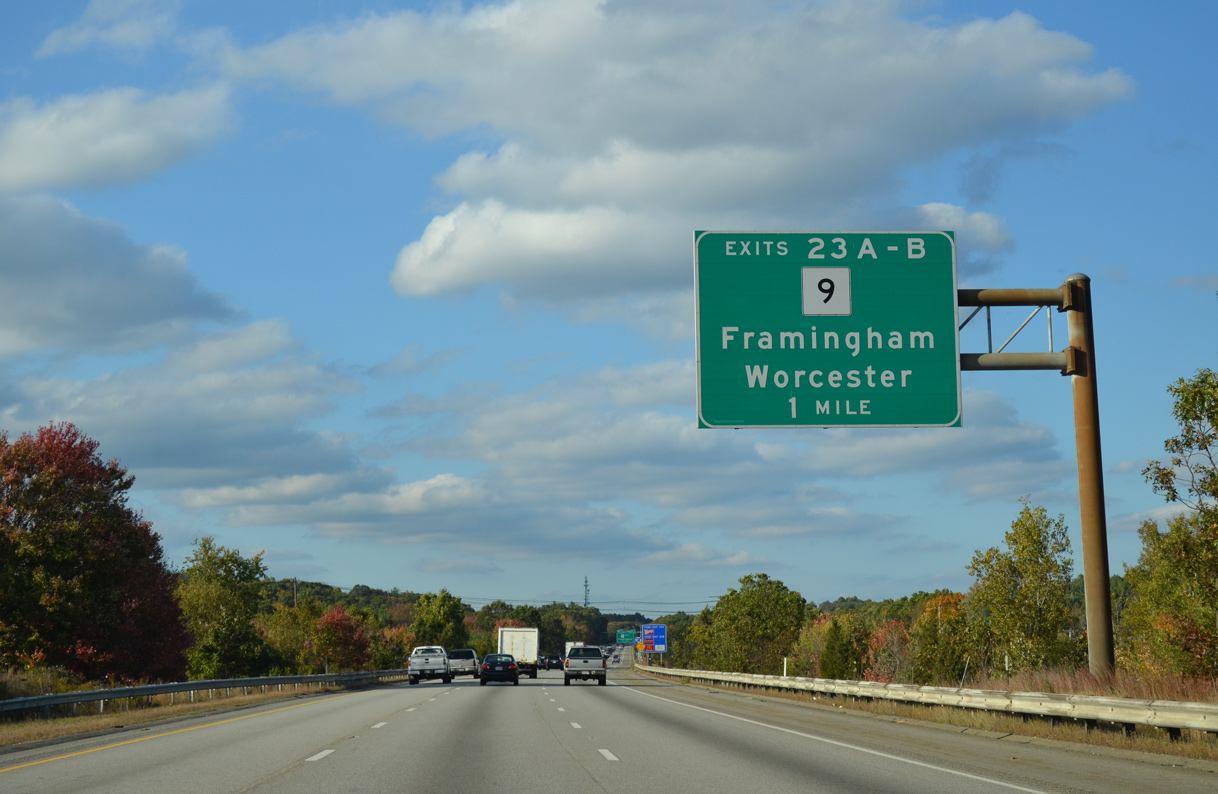
Framingham has connections to other places, but day-to-day inside town is still very car-dependent: limited internal transit, and most errands assume you’re driving.
What this means in real life:
-
You can find pockets with better walkability, but “walk to everything” isn’t the default setup.
-
Without a car, your options narrow fast for groceries, kid logistics, and basic errands.
How to make car-first feel less annoying:
-
Buy/rent with a 5–10 minute radius plan: groceries + school + gym + your main highway/rail access.
-
Prioritize driveway/parking + winter practicality (you’ll feel it when the weather is ugly).
3) It’s “more affordable than Boston”, not “cheap”
Yes, you can often get more space than closer-in towns. But the overall cost profile is still Massachusetts: overall and housing costs run above national averages, and a meaningful share of households are cost-burdened (spending >30% of income on housing).
What this means in real life:
-
The payment matters more than the price: taxes, insurance, utilities, and commuting costs can close the “deal.”
-
You don’t want to win the bidding war and lose the monthly budget.
How to be smart about it:
-
Compare all-in monthly (mortgage + taxes + insurance + HOA + commuting + childcare if relevant).
-
If you’re “stretching,” be honest: are you stretching for location, schools, space, or just to be in MA?
Best areas in Framingham (quick fit guide)
This is where people win or lose the move.
Framingham Centre
Best for: classic “New England” vibe, older homes, a more traditional neighborhood feel.
Tradeoff: not the most walkable-to-everything, but it feels established.
Downtown / near the commuter rail
Best for: commuters who want easier train access and a more “connected” feel.
Tradeoff: busier roads and more urban energy depending on the block.
Nobscot (north/northwest side)
Best for: quieter, more residential pockets, easy nature access.
Tradeoff: you’re driving for most errands.
Saxonville
Best for: village feel, access to the rail trail, a little more personality.
Tradeoff: depends heavily on micro-location and the specific street.
If you tell me your commute + budget + must-haves, I’ll tell you which of these areas is the best match (and which one to avoid).
Commute reality: how Framingham connects
-
Train: Framingham/Worcester Line into Boston stops including Back Bay and South Station.
-
Driving: roughly 22 miles to Boston, but drive time swings with traffic.
If your commute schedule is strict (school drop-offs, hospital shifts, hybrid days), your area choice matters more than the town choice.
What kind of buyer Framingham fits best
Framingham usually fits people who want:
-
Boston access + more space than inner suburbs
-
Convenience first (shopping/services close)
-
A diverse, real-life community (not a “bubble”)
If you want “quiet suburb everywhere” with consistent streetscape, Framingham can still work, but you need the right pocket.
FAQ
Is Framingham MA safe?
Like any larger MetroWest hub, it varies by area. The right approach is picking the right neighborhood pocket and judging street-by-street, not town-by-town.
Is Framingham walkable?
Some pockets are more walkable than others, but most daily routines are still car-based.
How long is the commute from Framingham to Boston?
Framingham is about 22 miles from Boston by road. Train and drive times vary based on schedule and traffic.
What’s the best area for commuters?
Usually: Downtown/near the rail, but “best” depends on whether you’re going to Back Bay, South Station, Cambridge, or the Seaport.
Is Framingham good for families?
It can be, especially if you want parks, space, and convenience. Micro-location matters a lot for noise/traffic and day-to-day feel.
What should I know before buying in Framingham?
Pick your commute plan first, then pick the area. Also: don’t assume two homes 1 mile apart “feel” the same here.
Can you help me narrow it down fast?
Yes. Take my Town Match Quiz and I’ll send a shortlist (with the “avoid this pocket” notes).
If you’re relocating and want a clear answer fast:
Take the Town Match Quiz → I’ll send the best-fit areas and a tight list of listings that match your commute + budget.
Already live in Framingham and considering selling?
Get a comp-based value range and a clean “as-is vs market-ready” plan.
Rannier Teixeira | eXp Realty
Framingham-based advisor for MetroWest buyers, sellers, and relocation clients. English + Portuguese + Spanish.
Categories
Recent Posts

Want a clear next step?
SELLING? Get a home value range here
BUYING? Click here for Town Match Quiz
Or send me a message and I’ll get back to you.